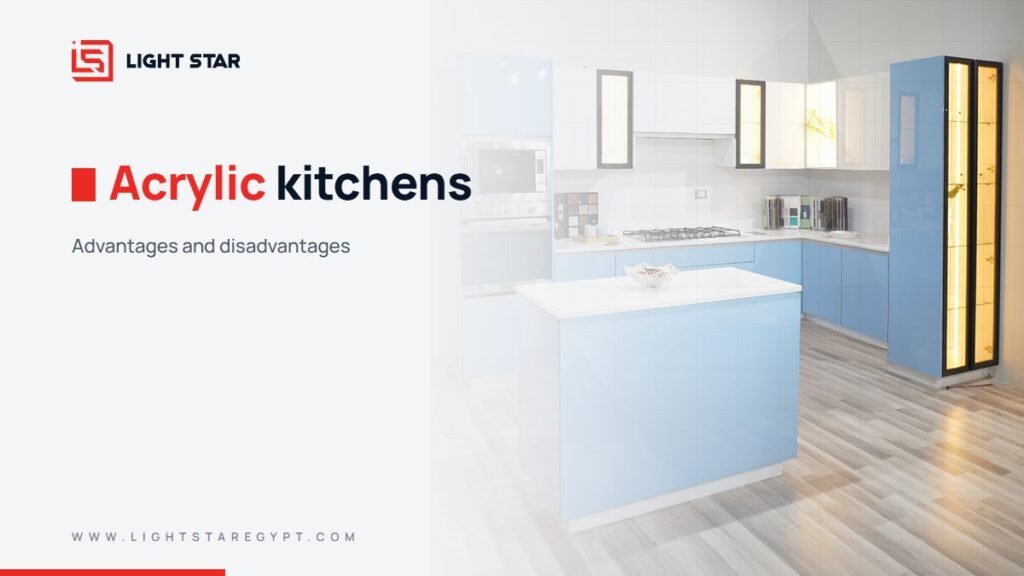
Acrylic kitchens are among the most popular modern kitchen types in recent years, thanks to a glossy look that adds luxury and modernity to any home. A kitchen is no longer just a place to cook, but a key part of the home’s interior that reflects the owner’s taste. While many are drawn to acrylic’s striking shine, others look for the details before buying: the quality of the material, its thickness, how to clean it and the price differences between types.
In this article we take you through everything about acrylic kitchens, so you can choose the best one for your home with confidence.
What are acrylic kitchens?
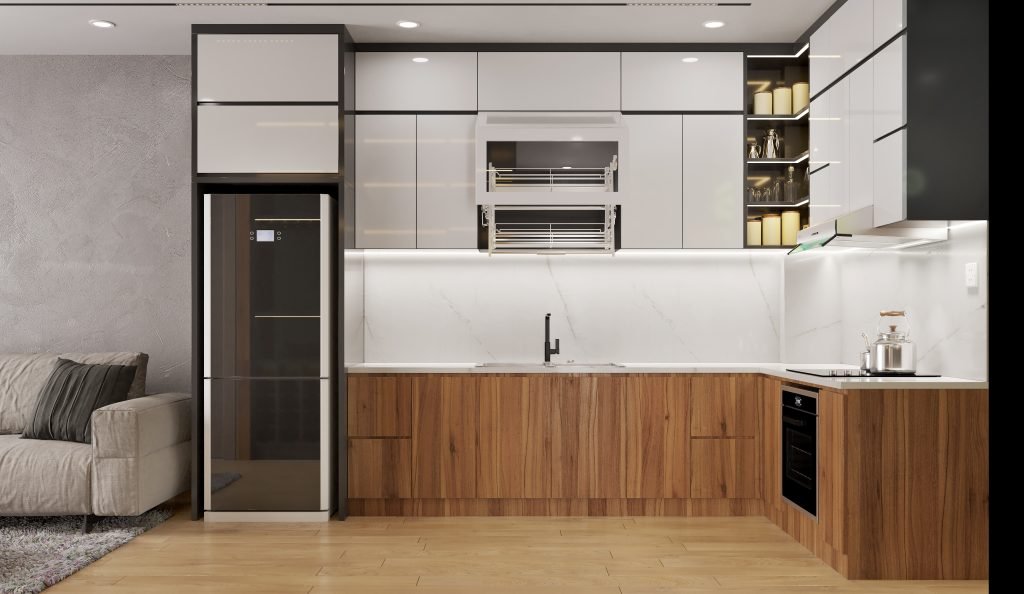
Acrylic kitchens are one of the newest modern kitchen types, combining luxury and practicality. Their fronts have a glossy, glass-like surface made from clear acrylic applied over MDF or durable engineered wood, giving an elegant look and a surface that resists moisture and scratches. Many people prefer this type for its wide range of colours and designs to suit every taste. Weighing up the advantages and disadvantages, acrylic is one of the options that best combines beauty, durability and easy cleaning.
What are the main advantages of acrylic kitchens?
Acrylic kitchens are a favourite for lovers of elegant, modern interiors, with several properties that make them both practical and beautiful:
Superior shine and elegance
Acrylic kitchens have a glossy surface that reflects light beautifully, giving the kitchen a luxurious look and making the space feel larger and brighter.
Easy cleaning
The smooth acrylic surface makes removing dirt and stains simple with just a damp cloth, without strong cleaning products.
A wide range of colours and designs
Acrylic kitchens come in a wide range of contemporary colours, in glossy or soft tones, to suit every taste and interior style.
High moisture resistance
Acrylic is not affected by humidity or cooking steam, making it an ideal choice for kitchens in hot or humid environments.
Durability and a long life
Despite their smooth look, acrylic kitchens resist scratching and peeling when used correctly, and keep their shine for a long time.
What are the main disadvantages to know before buying?
Despite their beauty and distinctive shine, there are some points to consider before deciding:
Can scratch if cleaned incorrectly
The glossy acrylic surface is durable, but it can scratch if cleaned with sharp tools or a rough sponge, so it needs careful cleaning.
Higher price than some other types
Because of its high quality and luxurious look, acrylic is one of the higher-cost categories compared with wooden or aluminium kitchens.
Needs regular cleaning
The beautiful glass-like shine shows fingerprints and dust, so regular cleaning is needed to keep it looking bright.
Sensitive to direct heat
Acrylic is not fully resistant to high heat, so avoid placing hot pans directly on the surface to prevent damage or discolouration.

Gloss vs matte acrylic kitchens
The difference between gloss and matte acrylic is important to understand before choosing a design, as each has its own character and affects how the kitchen looks and is used. A gloss finish reflects light beautifully, giving the kitchen a clear shine and making it look larger, which makes it ideal for small spaces.
A matte acrylic kitchen, on the other hand, has a calmer, more understated elegance. It doesn’t reflect light to the same degree, giving the space a refined feel that is easy on the eye. A matte surface also hides fingerprints and scratches better than gloss, but doesn’t give the same sense of liveliness. In the end, the choice depends on your taste and the space.
Do acrylic types differ in quality and thickness?
Yes, acrylic types differ clearly in quality and thickness, and this directly affects how the kitchen performs and looks. The thicker the acrylic layer, the better it resists scratches and moisture and the longer it keeps its shine.
Thinner types can be affected quickly by daily use and lose their shine over time. The quality of the base board the acrylic is applied to also plays a big part in durability.
So when comparing acrylic kitchens, remember that differences in thickness and manufacturing quality are what separate a kitchen that lasts for years from one that wears out quickly.
Acrylic kitchen prices
The price of acrylic board varies with several key factors that set the final cost of the kitchen.
The first is the quality of the acrylic itself: the more genuine the material, the stronger its shine and scratch resistance, and the higher the price.
Second, panel thickness matters: thicker panels are more durable but cost more. Third, the base board, whether high-density MDF or standard board, directly affects the price.
Kitchen hardware such as hinges, handles and soft-close systems also makes a difference. Acrylic kitchens are priced per linear metre according to the finish and materials chosen; contact us for a quote based on your kitchen.
In the end, acrylic kitchens are the ideal choice for anyone looking for contemporary beauty with practical quality, but they need a careful choice of materials and finish to ensure long-lasting performance and looks. This is where Light Star comes in, as a leading name in finishes and modern kitchens, offering high-quality acrylic in innovative designs that combine luxury and durability. For more details on prices, get in touch and our experts will reply.