When planning a kitchen or furniture finish, one question often tops the list: what is the difference between Formica and HPL? Both are among the most popular materials in interiors thanks to their wide range of colours and looks, but they differ completely in durability, strength and resistance to everyday factors such as moisture, scratches and heat. Choosing the right one depends not only on appearance, but on understanding what each material can do and how well it fits the way it will be used.
In this guide we highlight the key differences between Formica and HPL, explain how to choose the better option for your kitchen or furniture, and give a simple overview of the HPL types on the market. It will help you make an informed decision that balances quality and cost, with a material that lasts and gives you the look you want.
What is the difference between Formica and HPL?
When looking for strong finishing materials for kitchens or furniture, one question always comes up: what is the difference between Formica and HPL? Both belong to the family of decorative laminates, but they offer different levels of hardness and durability. Formica is an economical, lightweight option suited to normal everyday use, while HPL offers higher density, with layers pressed under high pressure and heat, giving it better resistance to scratches, moisture and friction. The choice therefore depends on the use: for a material that handles tough kitchen conditions or high-traffic areas, HPL is usually the better choice; for light use and a good look at a lower cost, Formica does the job well.
Formica vs HPL: price
On cost, the difference between Formica and HPL is clear. Formica is relatively economical, being simpler to manufacture with fewer layers, which makes it suitable for anyone looking for a good look at a reasonable cost. HPL usually costs more, because it relies on layers pressed with stronger techniques that give it greater durability and resistance to moisture, scratches and heat. Prices for both vary with quality, sheet thickness, design or colour and the intended use, but as a general rule HPL remains the higher-priced material.
Which is better for kitchens, Formica or HPL?
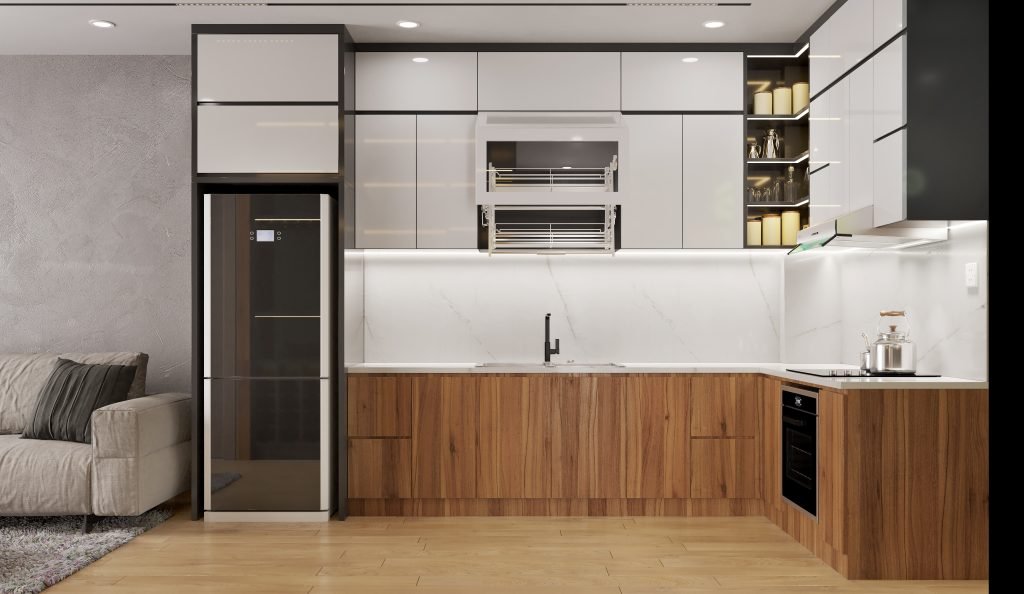
When choosing a material for kitchen worktops and cabinets, an important question arises: which is better, Formica or HPL? Here the difference between Formica and HPL shows clearly in strength, durability and the final look. HPL is the stronger choice for kitchens because it resists heat, scratches and moisture better, making it suitable for intensive kitchen use. Formica is a good, economical option for those who want an elegant look at a lower cost, but it cannot match the hardness of HPL. The final choice depends on how much you use your kitchen, your budget, and whether you prefer maximum durability or a practical, economical solution.
What types of HPL are available?
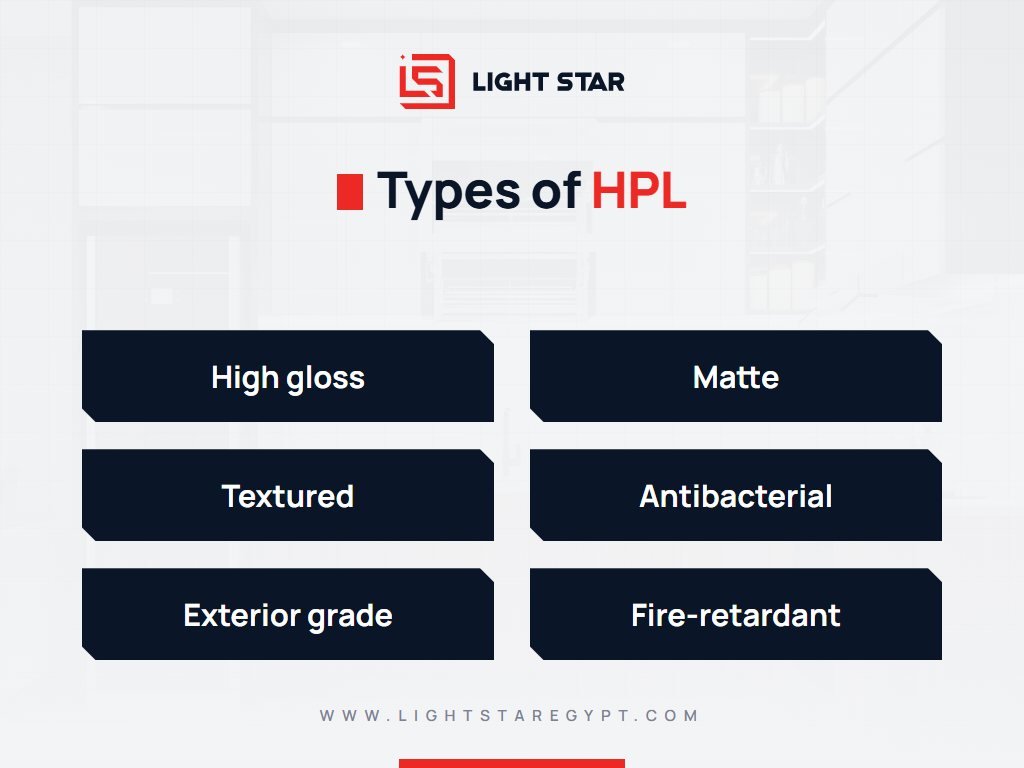
There is great variety within HPL, which helps you choose the look and specifications best suited to each use. Understanding the difference between Formica and HPL also means knowing the common HPL types on the market, which usually include:
High-gloss HPL
A glossy surface that reflects light and gives kitchens or furniture a luxurious look. It is used where a contemporary aesthetic is wanted, but needs more care, as it can show fingerprints sooner than other types.
Matte HPL
The most popular for everyday use: its non-glossy surface shows scratches less and gives a calm, practical look that suits heavily used kitchens and furniture.
Textured HPL
Comes with a texture resembling wood or natural stone, giving a realistic, refined look. It is used in interiors with a natural feel, and the texture also helps hide signs of wear and scratches.
Antibacterial HPL
Used in kitchens, children’s rooms and hospitals, as it has a treated layer that prevents bacteria from growing on the surface — an ideal choice where a higher level of hygiene is required.
Exterior-grade HPL
Highly resistant to sun, rain and temperature changes, making it suitable for façades, shutters and exterior doors.
Fire-retardant HPL
Made with materials that prevent ignition or slow the spread of fire, and used in commercial kitchens or spaces with additional safety requirements.
These types make HPL a flexible material suited to most uses, and they highlight the difference between Formica and HPL in development, quality and choice.
How to choose between Formica and HPL
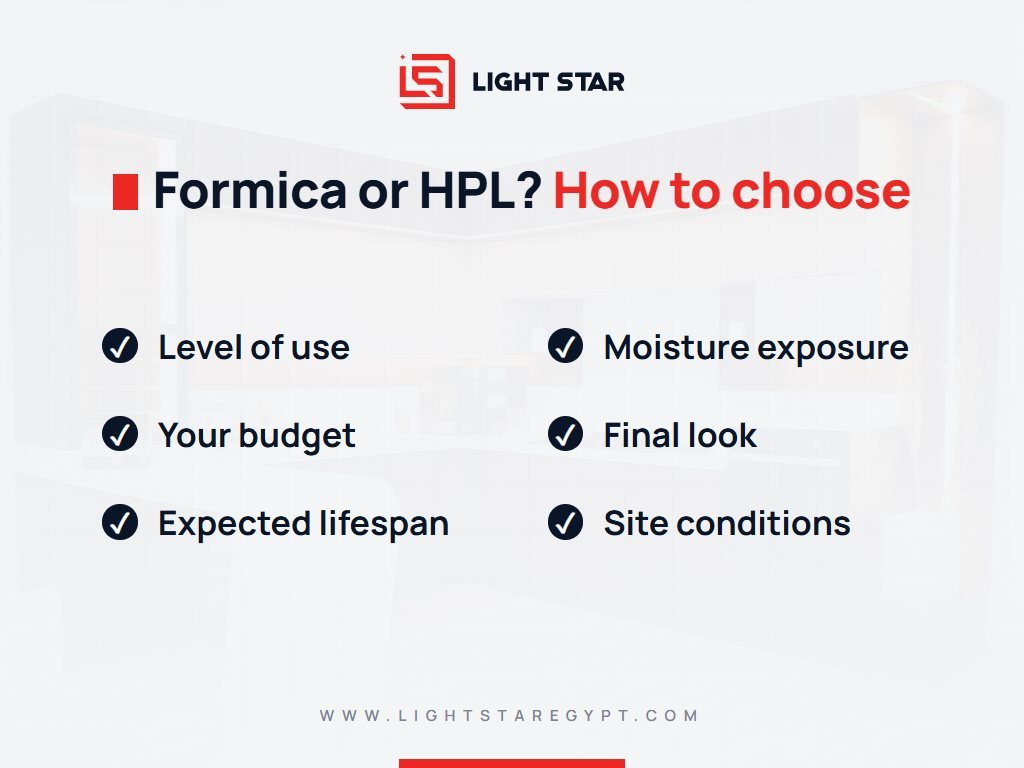
The right material depends on your needs and how it will be used. To make the decision easier, here are the key points:
Assess the level of use
If the kitchen or furniture faces intensive daily use and constant friction, HPL is the better choice thanks to its high durability. For moderate or light use, Formica may be enough and offers a good look at a lower cost.
Exposure to moisture
Where there is a lot of steam or frequent cleaning, HPL is preferable because it is more resistant to water and edge swelling. Formica needs extra protection and care in areas exposed to water.
Your budget
Formica is the economical option, while HPL costs more because of its quality, thickness and manufacturing method. If your aim is the best value for money, set your budget first before deciding.
The final look you want
If you want a premium finish that closely resembles wood or marble, HPL offers more realistic options and higher quality. Formica offers many designs, but with less depth of detail.
Expected lifespan
If you want a material that lasts for many years without fading or wearing, HPL is the better fit. If the project is temporary or likely to change soon, Formica may be enough.
Site conditions
In commercial kitchens or busy public spaces, HPL is preferable for its ability to withstand pressure and friction. In homes or low-traffic uses, Formica can perform well.
With these points, your choice is based on real needs rather than looks alone, with the difference between Formica and HPL clear in every aspect of use.
Having reviewed the difference between Formica and HPL, it is clear that the right material depends mainly on the use and the need for durability and resistance to moisture and scratches. Although the final decision varies from person to person, HPL remains the stronger, more durable option in modern kitchens.
At Light Star, we offer top-quality HPL in contemporary designs that last for years while keeping your kitchen or furniture looking its best. Choosing Light Star materials lets you make the most of HPL’s advantages, with a finish that combines strength and beauty.